 Newell's Old Boys Hub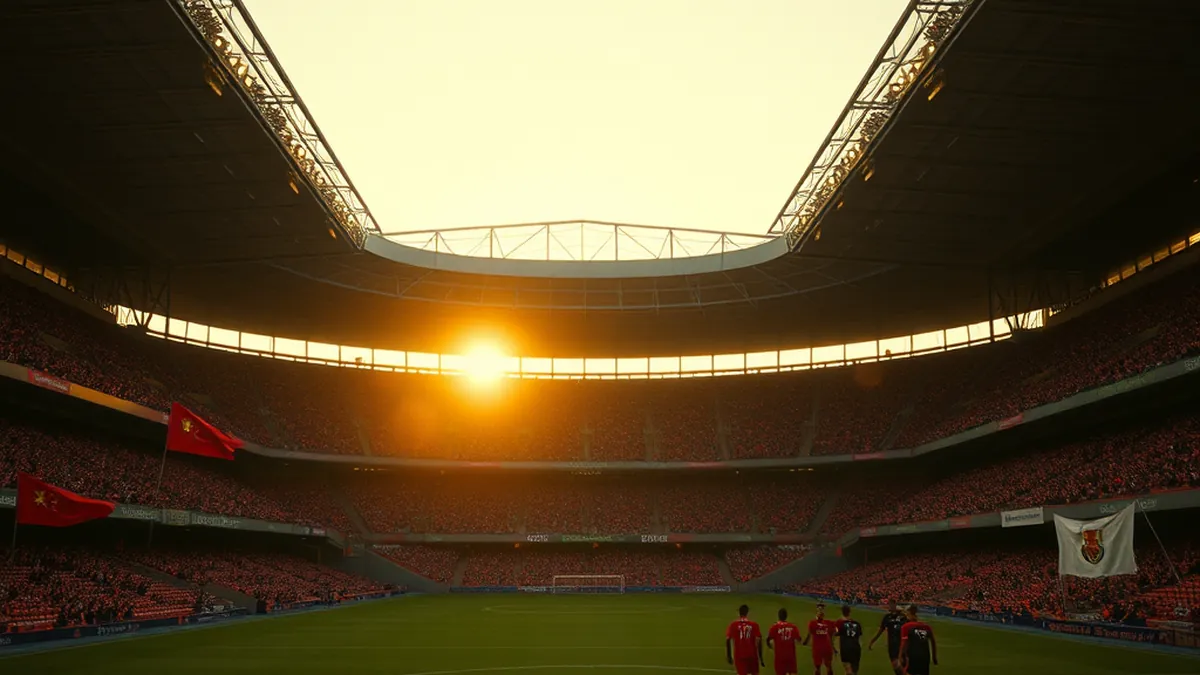
The Heart of Rosario: Newell's Old Boys' Unique Supporter Culture
In the vibrant city of Rosario, Newell's Old Boys, affectionately known as La Lepra, has cultivated a supporter culture that transcends the typical fan experience. From the moment one steps into the Estadio Marcelo Bielsa, it’s clear that this is not just a venue for football; it is a sanctuary for devotion, tradition, and a sense of belonging. The ritualistic aspects of being a Newell's Old Boys supporter are as profound as the team’s rich history, creating an atmosphere that envelops both players and fans alike.
Matchday Rituals: More Than Just a Game
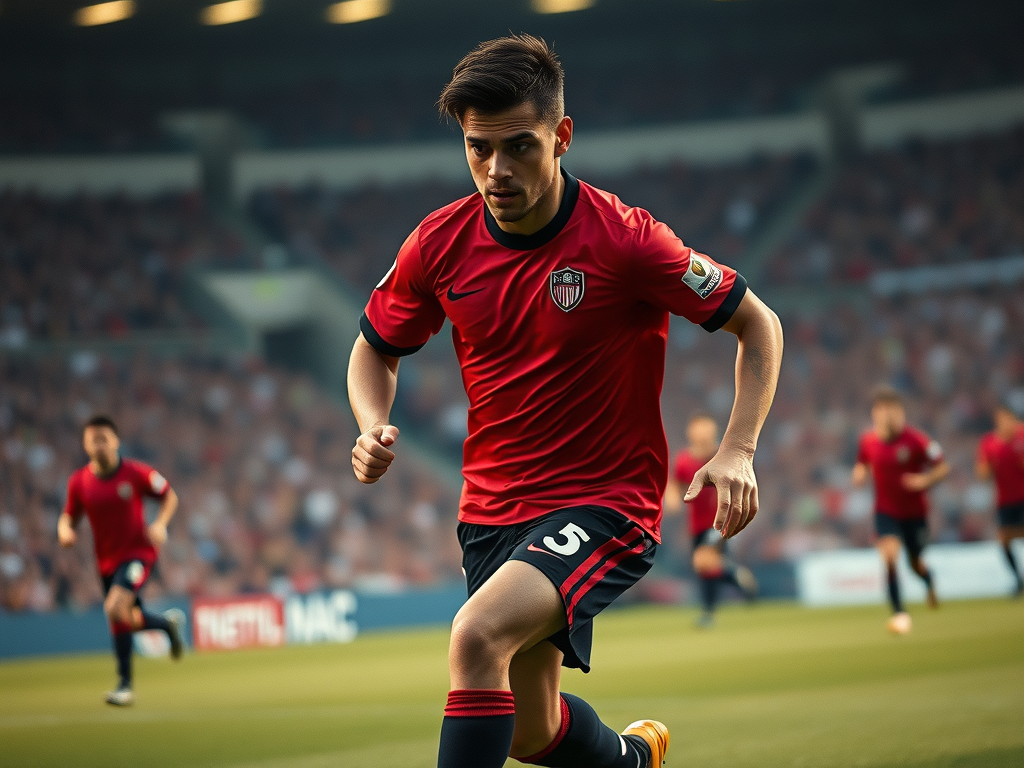
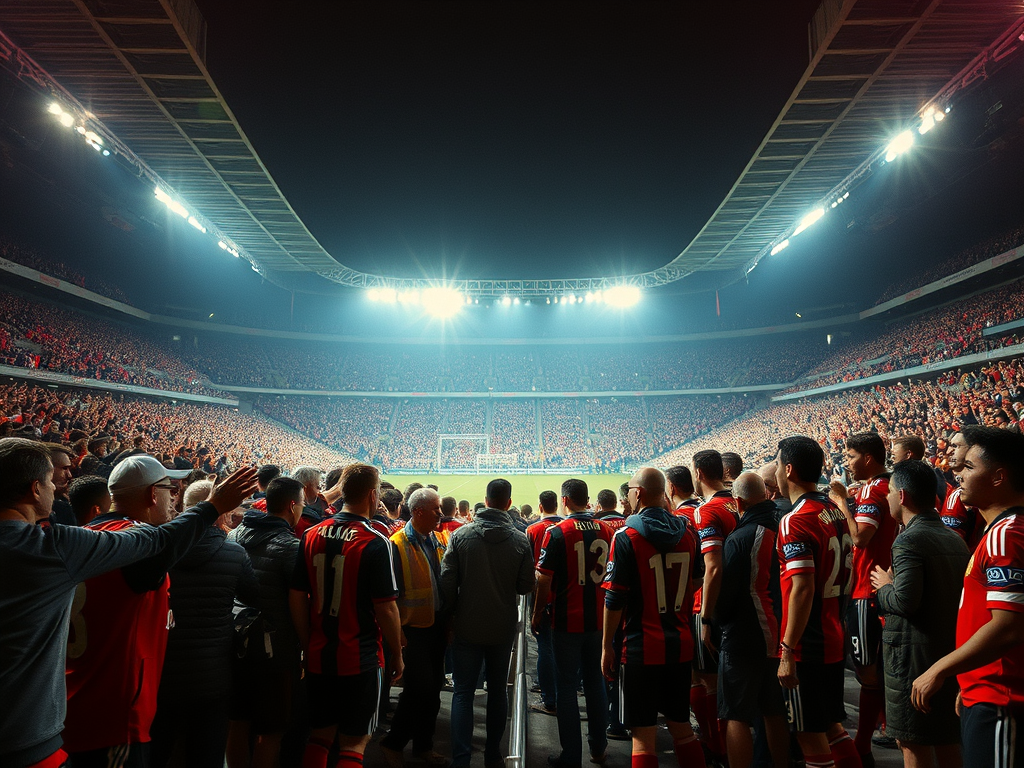
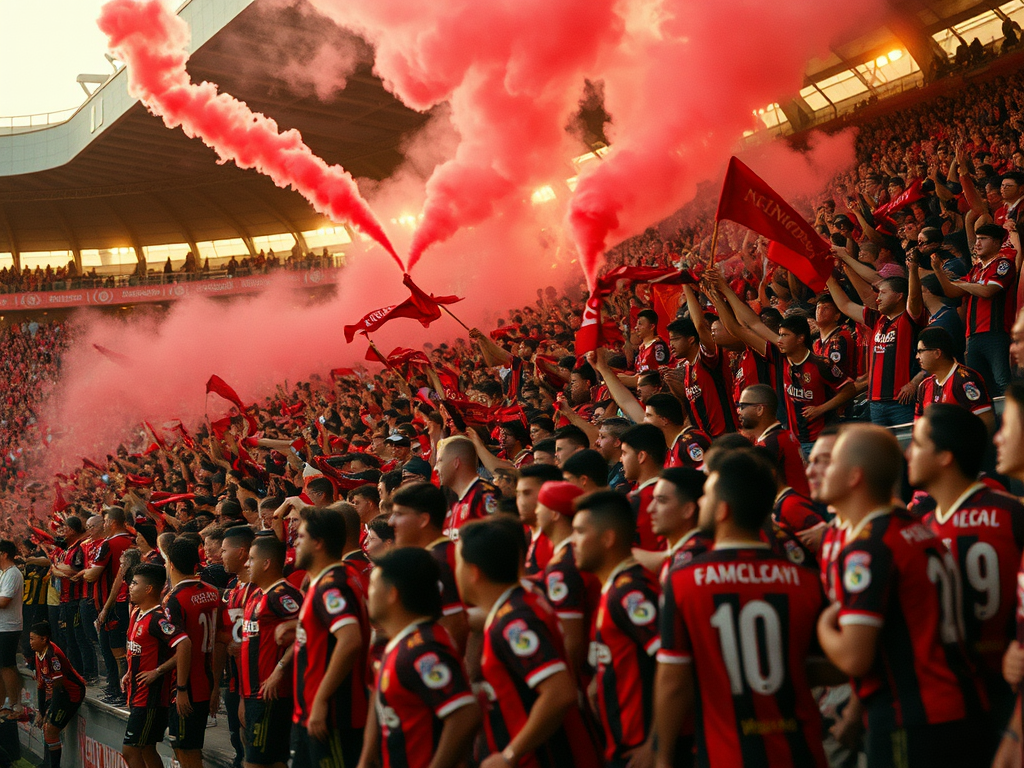
For the fans of Newell's Old Boys, matchday begins long before the whistle blows. Many supporters gather at local bars near the stadium, where chants and songs resonate through the streets. The traditional pre-match meal of empanadas and asado serves not only to fuel the body but also to stoke the excitement of the day. Clad in the iconic red and black, supporters proudly display their allegiance through jerseys, scarves, and face paint, ready to stand shoulder to shoulder with fellow fans.
As the kick-off approaches, the anticipation builds, and the atmosphere shifts from casual banter to an electric fervor. The sight of flares lighting up the stands brings a sense of unity, as chants echo through the air, a cacophony of voices harmonizing in support of La Lepra. This is not just a ritual; it is a communal experience that binds generations of fans together, creating an unbreakable bond.
The Rosario Derby: A Clash of Cultures
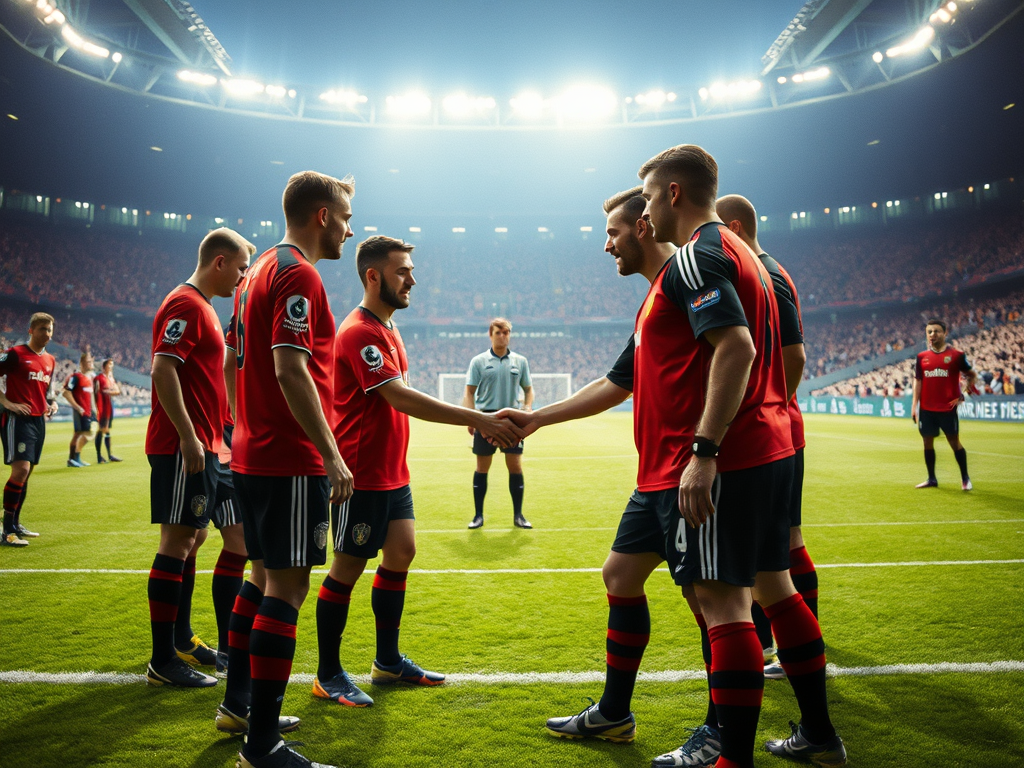
The rivalry between Newell's Old Boys and Rosario Central is one of the fiercest in Argentina, often referred to simply as "El Clásico Rosarino." On derby days, the atmosphere reaches fever pitch, with emotions running high. The stadium transforms into a cauldron of passion, where colors clash and chants become battle cries. The stakes are not just about points on the table; they are about pride, identity, and a city divided.
Supporters from both sides arrive early, filling the streets with their respective colors, and the tension is palpable. The match itself is a spectacle of skill and determination, but the real show often unfolds in the stands. The choreography of the barrabrava, the organized groups of supporters, adds to the drama, with elaborate displays of flags, banners, and coordinated chants that encapsulate the spirit of La Lepra.
The Legacy of La Lepra: Traditions That Endure
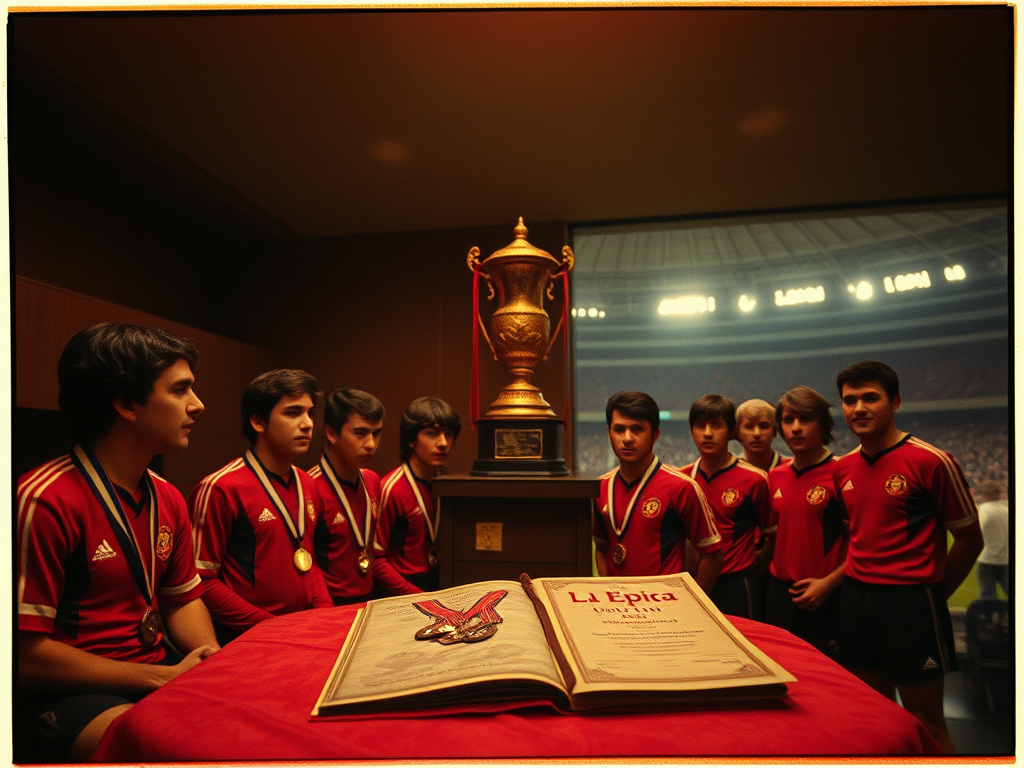
Beyond the matchdays, the traditions of Newell's Old Boys fans extend into everyday life. The stories of past glories, the legends of players who wore the red and black, and the history of the club are passed down through generations. Children grow up hearing tales of epic matches and iconic moments, fostering a love for the club that is ingrained from a young age.
Moreover, the rituals around commemorating the club's history are essential. Anniversaries of significant victories or the remembrance of club legends are celebrated with gatherings, where old and young fans unite to share their passion and pride in being part of La Lepra. This intergenerational connection enhances the sense of community, making each supporter feel like a vital piece of a larger puzzle.
Conclusion: The Everlasting Spirit of Newell's Old Boys
The culture surrounding Newell's Old Boys is a testament to the power of football as a unifying force. From the pre-match rituals to the intense atmosphere of the derby, every aspect of being a fan is steeped in tradition and emotion. La Lepra is not just a nickname; it embodies the spirit of the supporters who breathe life into the club. As they chant and cheer, they remind us all that in the heart of Rosario, football is more than a game—it’s a way of life.