 Newell's Old Boys Hub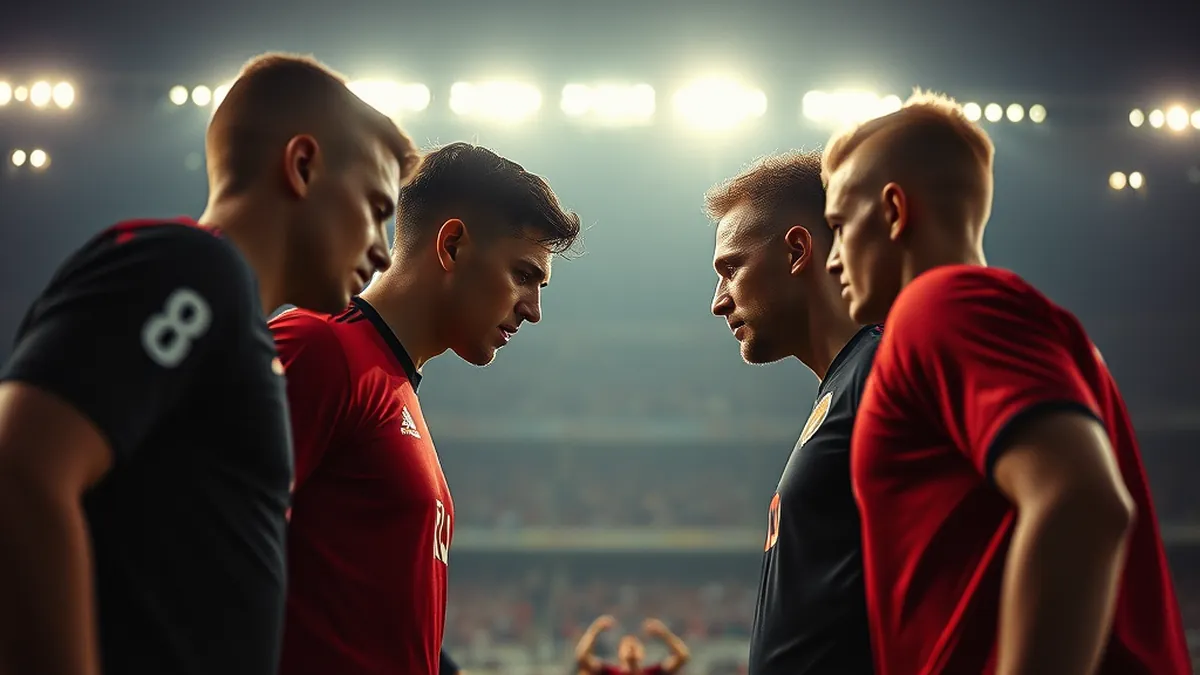
The Heart of Rosario: Newell's Old Boys' Passionate Supporter Traditions
In the bustling city of Rosario, where the air is thick with football fervor, Newell's Old Boys, affectionately known as La Lepra, has cultivated a supporter culture that is nothing short of legendary. The passion of its fans permeates every matchday, from the vibrant pre-game rituals to the electrifying atmosphere within the Estadio Marcelo Bielsa. This culture is not merely about cheering for a team; it is a celebration of identity, community, and a fierce rivalry with Rosario Central.
The Derby Atmosphere
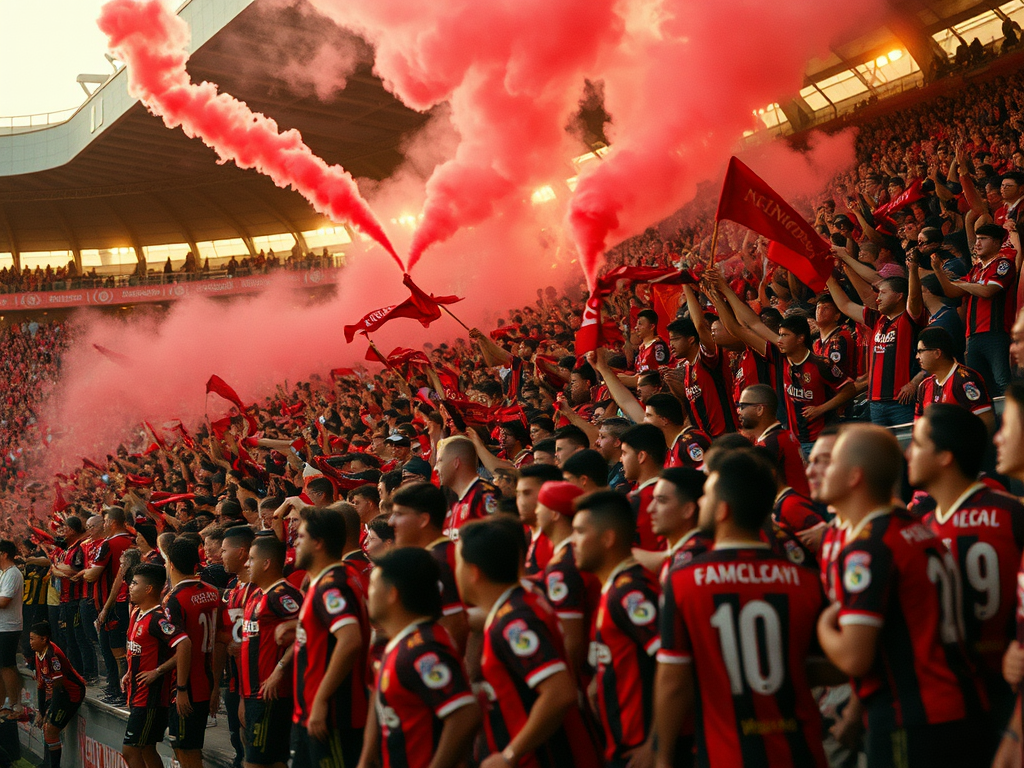
The Rosario derby, known as the "Clásico Rosarino," is a spectacle that transcends the sport itself. When Newell's Old Boys face off against their historic rivals, the intensity reaches fever pitch. The weeks leading up to the match are filled with anticipation, as fans engage in playful banter, craft banners, and prepare choreographies that will light up the stadium. On the day of the derby, the streets of Rosario become a sea of black and red, the colors of Newell's Old Boys, as supporters don their jerseys with pride, walking in groups to the stadium, chanting songs that echo through the city.
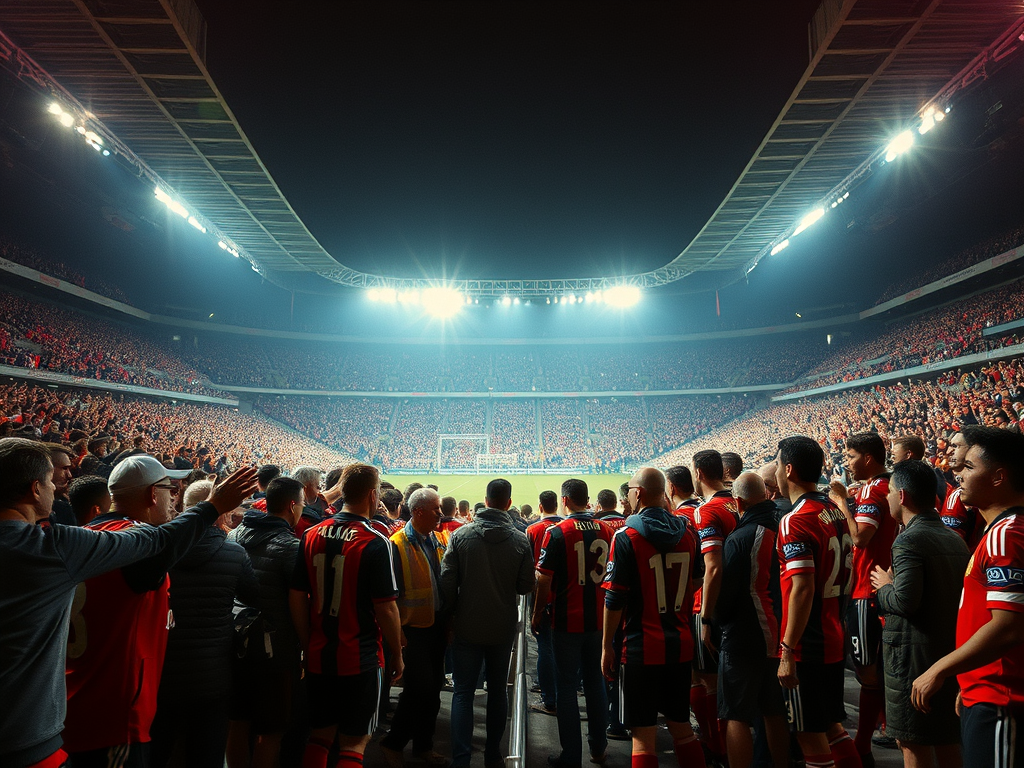
As fans approach the Estadio Marcelo Bielsa, the atmosphere shifts palpably. The sight of thousands of La Lepra supporters converging outside the stadium, singing and dancing, sets the stage for a memorable encounter. The energy is infectious, with drums beating and flares lighting up the sky, creating a visual and auditory spectacle that is uniquely Argentine.
Pre-Match Rituals
Arriving at the stadium hours before kick-off has become a cherished tradition for many Newell's Old Boys supporters. Tailgate-style gatherings near the stadium are common, where fans share food, drinks, and stories, strengthening the bonds of camaraderie. Many families have been passing down their love for the club for generations, making match days a multi-generational affair. Youngsters learn to chant the club's anthems, while older fans reminisce about legendary matches and players, weaving a rich tapestry of history and tradition.
In the lead-up to the match, rituals like the "Pañuelos" (handkerchiefs) are significant. Fans wave their handkerchiefs in unison during specific songs, creating a mesmerizing wave of movement that encapsulates the passion of La Lepra. This ritual is not merely for show; it is a display of unity and unwavering support for the team, a visual representation of their collective hopes and dreams.
Stadium Rituals
Inside the Estadio Marcelo Bielsa, the atmosphere becomes electric as the match nears kick-off. The stadium, affectionately dubbed "El Coloso del Parque," holds an undeniable charm, and when filled to capacity, it transforms into a cauldron of noise and emotion. The iconic Newell's Old Boys anthem, "La Banda de Newell's," reverberates through the stands, sung with such fervor that it sends shivers down the spine of anyone present.
As the game begins, the supporters remain on their feet, chanting and cheering with every pass, tackle, and shot on goal. The collective roar of La Lepra can shake the very foundations of the stadium, creating an intimidating atmosphere for opposing teams. This unwavering support is a testament to the club's deep-rooted history and the unwavering loyalty of its fans.
The Legacy of Support
For Newell's Old Boys fans, football is more than just a game; it is a way of life. The rituals, the songs, and the traditions are woven into the fabric of their identity. As La Lepra continues to navigate the highs and lows of Argentine football, the unwavering spirit of its supporters remains a constant force, ensuring that the passion for Newell's Old Boys will endure for generations to come.
In celebrating the unique culture surrounding Newell's Old Boys, one can truly appreciate how the beautiful game intersects with community, identity, and the unbreakable bonds forged through shared love and loyalty. In Rosario, football is not merely played; it is lived, and Newell's Old Boys fans embody this ethos with every match they attend.